EMbody & Explore
Somatics meets Movement Research
Somatics & MOvement Research
In our work, we understand movement not as a form that needs to be achieved, but as something that unfolds when we begin to listen.
Somatic practice and Movement Research meet here as complementary approaches: sensing becomes the foundation, while moving becomes the form of inquiry. We direct our focus inward — toward sensation, breath, weight, and rhythm — and from there we open a space in which movement can emerge and be explored.
We understand Movement Research as an open, process-oriented approach to movement. It is about allowing movement to arise, accompanying it, and perceiving it as it unfolds.
In this way, a process unfolds in which perception and movement mutually influence and deepen each other. The body becomes a place of research — a space where experiences can be made, transformed, and rediscovered.
Every movement is less a fixed result than a part of this ongoing exploration.
Somatics & Movement Research
Somatic Movement
Somatics describes a practice of sensing and experiencing within one’s own body. Rather than shaping or controlling the body from the outside, it is about perceiving it from within — as a living, intelligent organism that is constantly in relationship with itself and its environment.
At the heart of this practice lies a subtle listening inward: to breath, weight, rhythm, and sensation.
From this awareness, movement can unfold organically — not as something predetermined, but as something that arises in the present moment.
This practice opens new pathways to body awareness and sensitivity, expands our range of movement, and enables expression beyond fixed forms or expectations.
Somatic movement is at once calm and powerful, intuitive and precise — grounded in the experience that the body itself holds a deep intelligence that can unfold through sensing and moving.
Movement Research
Movement becomes a field of inquiry.
In Movement Research, the focus is not merely on performing movement, but on exploring it as an open, ongoing process. The body serves as the starting point — where perception, experience, and expression intertwine and become the foundation for exploration.
We work with improvisation, perceptual exercises, and open movement tasks. What matters is not the final outcome, but the investigation of possibilities and relationships.
How does movement arise from sensation? How does perception transform our expression? And what happens when we let go of habitual patterns and allow the body to lead?
Movement Research understands movement as something that emerges in the present moment — as a continuous process of exploration in which perceiving, moving, and reflecting exist in constant dialogue.
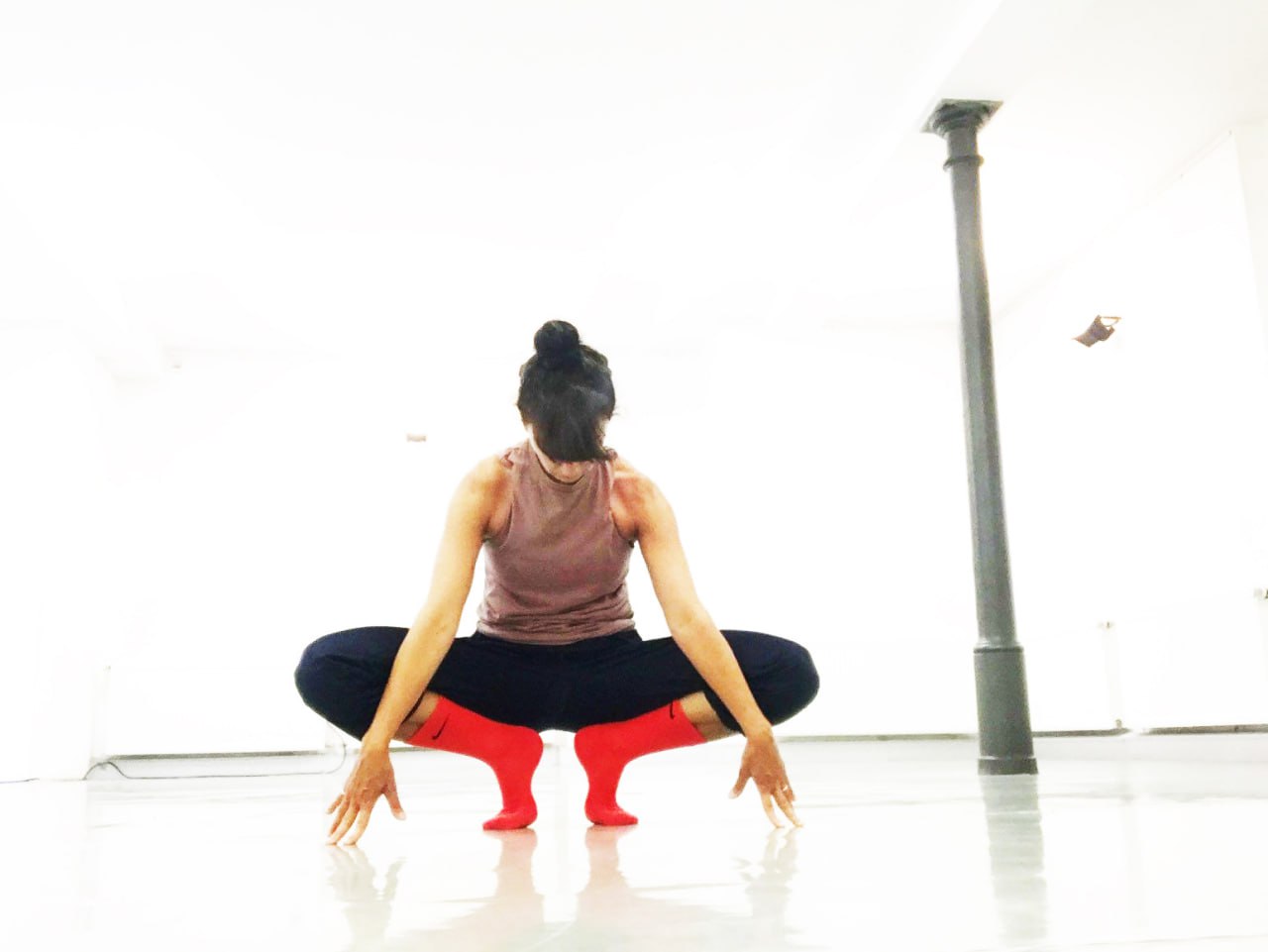
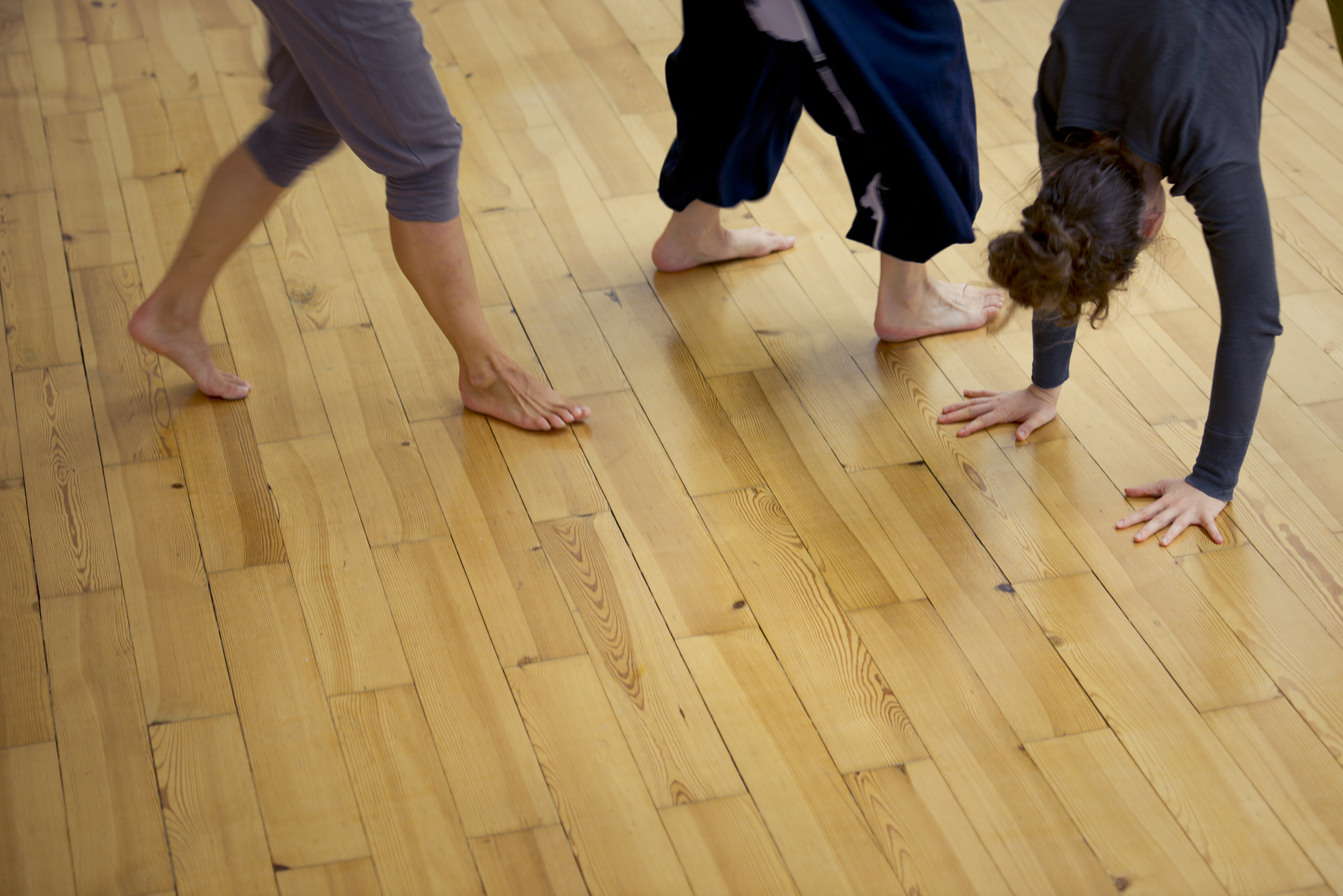
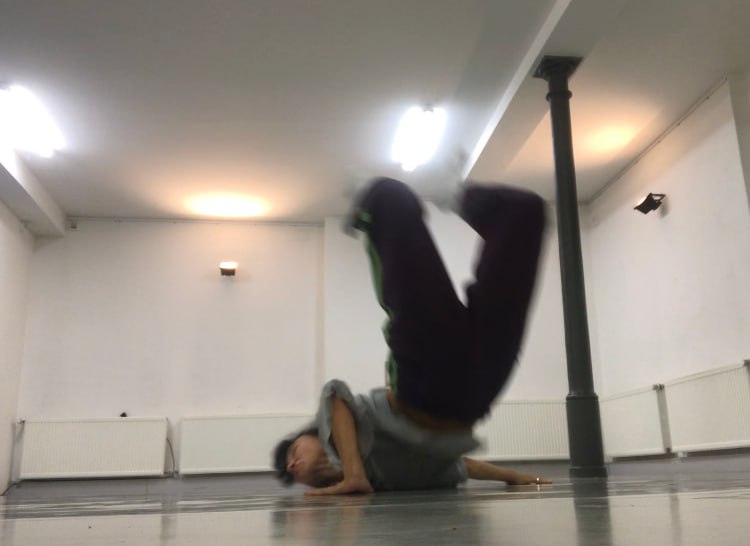
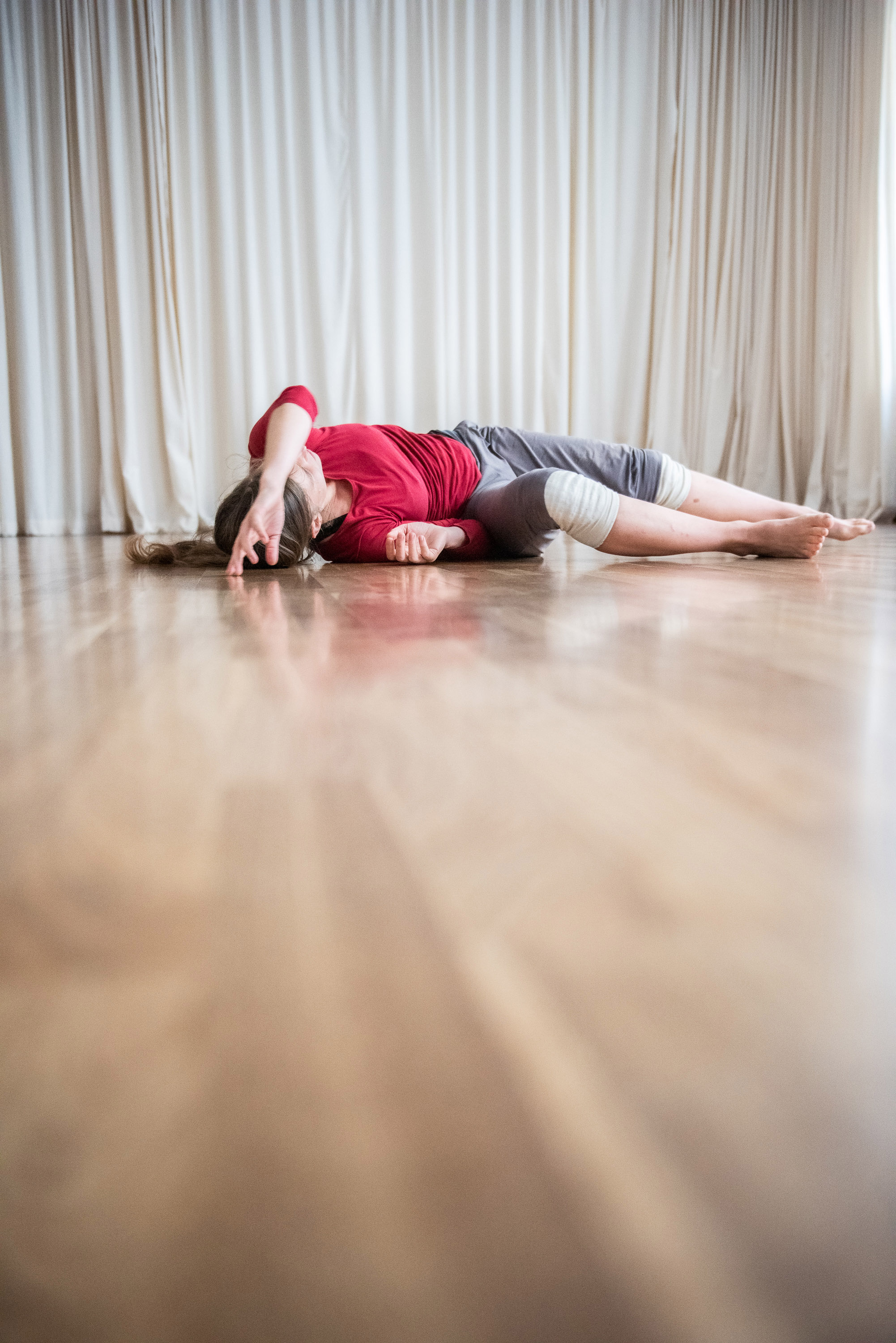
Between inside & outside
Our practice moves between inner perception and outer expression.
It often begins in stillness — with breath, weight, and subtle sensations. A quiet arriving in the body that creates space for whatever wants to emerge.
From this, movement develops: it gradually expands into space, enters into relationship, and takes form.
In this way, a continuous process unfolds in which listening, moving, perceiving, and shaping flow into one another — guided by a deep attention to what is arising in the present moment.
About us
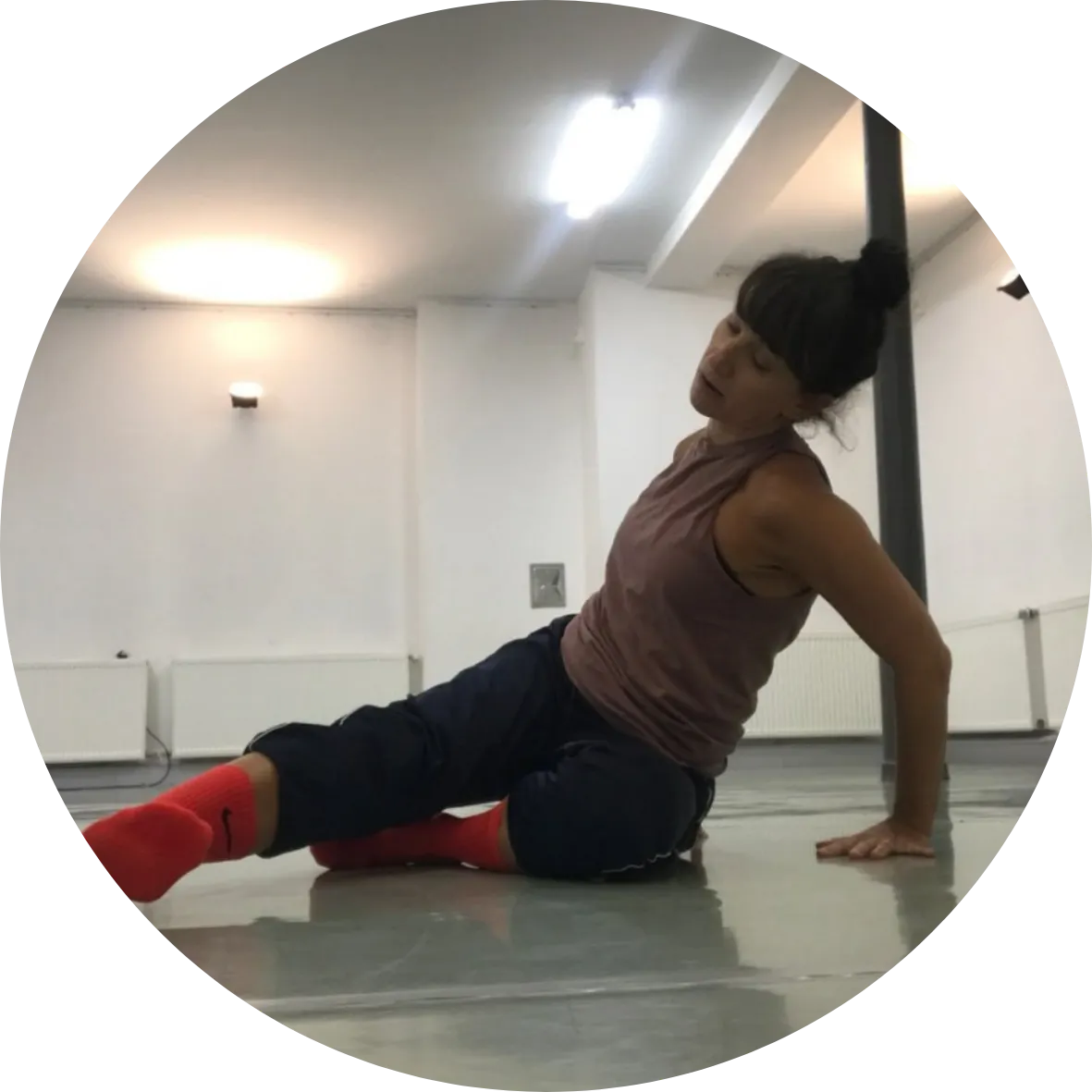
CLAUDIA PARRA WEITZMAN
Born in Chile, Claudia began her movement journey as a gymnast, joining the national team and participating in numerous competitions. She later became part of an underground collective, working as a dance performer.
She went on to study Architecture at the Universidad de Chile, graduating with distinction.
After moving to London, she trained in contemporary dance at LSCD (The Place) and was invited to join the Hilal Dance professional training programme in Milan, Italy. She also became a permanent member of the Iskandar Dance Company in London, performing and touring extensively across Europe.
After relocating to Munich, Claudia trained intensively in Gaga, the movement language developed by Ohad Naharin, and founded Gaga Munich. Over the past eleven years, she has been organizing regular Gaga workshops as well as contemporary dance workshops.
She has worked as both a choreographer and dancer in various dance and theatre projects. In Munich. She is also a certified dance educator trained in Rudolf Laban–based pedagogy. In addition, she is currently undertaking Somatic Groundwork Education (ISMETA-certified).
Claudia continues to teach regular contemporary dance classes and workshops, and collaborates with sound artists to create improvisation-based events.
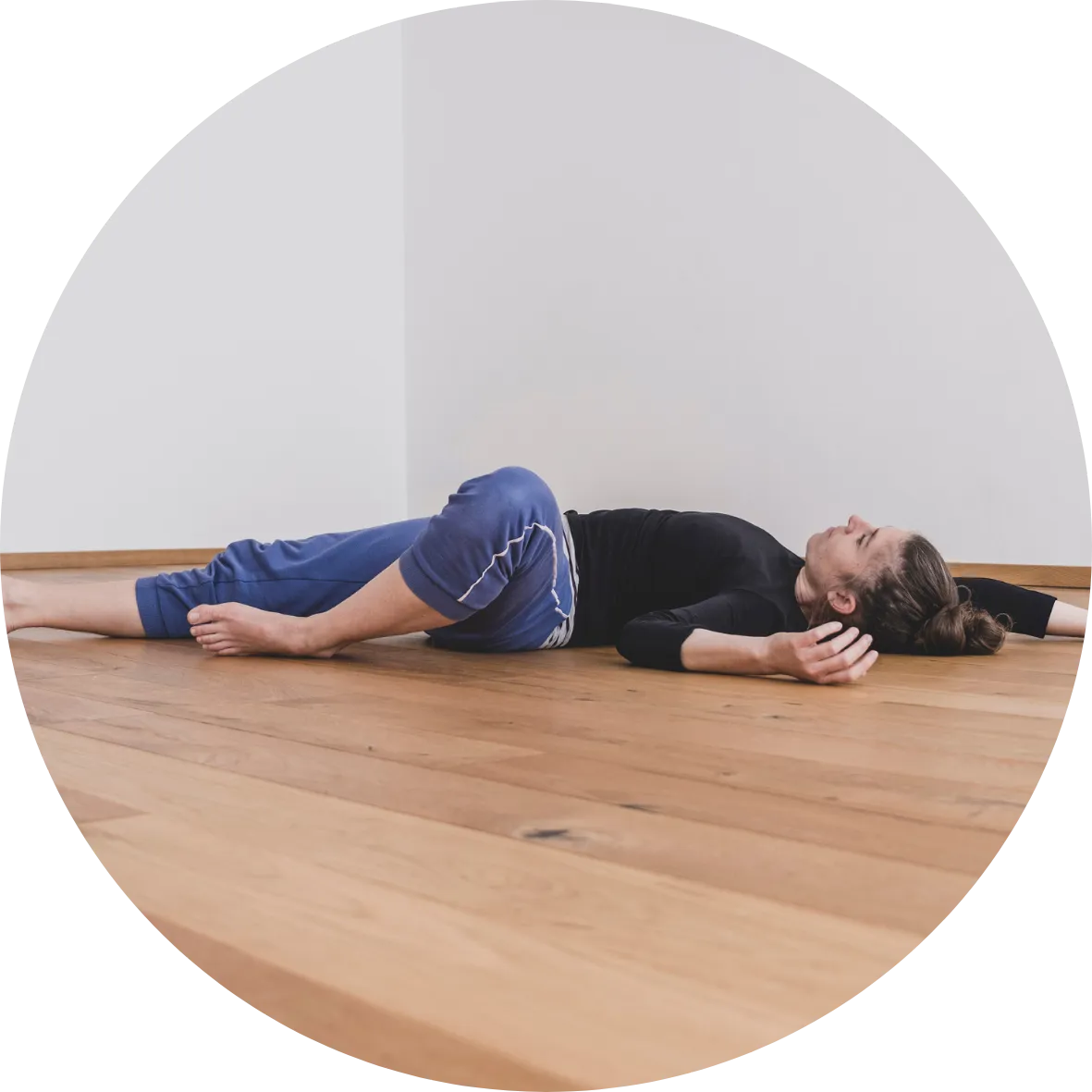
ANNA BECHER
As a teacher of Somatics, Yoga, and Dance, Anna combines somatic principles with mindful bodywork and a wide range of movement practices. In her classes and workshops, she creates spaces where participants can find a natural, deeper connection to themselves, to others, and to the surrounding world through conscious presence in the here and now.
At the heart of her work lie naturalness, authenticity, playful lightness, trust, and movement as a gentle yet powerful path toward physical and emotional balance.
Her own movement journey has led her through Hip-Hop and Street Dance, Capoeira, contemporary dance, Contact Improvisation, Pilates, and various yoga traditions. Over the course of this development, a distinctly somatic approach has emerged that deeply informs her teaching and is closely connected to her appreciation for natural, wild vitality.
For many years, she has regularly taught classes and workshops in Somatics, Yoga, and Dance. She supports people in rediscovering their innate movement intelligence, in bringing wildness and gentleness into harmony, and in feeling vibrantly alive in an authentic and imperfect way.
Her work is grounded in extensive training and continuing education in Somatics and interdisciplinary movement practices. She is recognized by the International Somatic Movement Education and Therapy Association (ISMETA) as a Master Somatic Movement Educator (MSME). In addition, she has completed professional training in Yoga (Yoga Alliance), Pilates (BASI), Contemporary Dance (Tanzfabrik Berlin), Contact Improvisation, Dance Education (Freies Musikzentrum Munich), and Dance Therapy (German Association for Dance Therapy).
Upcoming events
Embody & Explore
November 15, 2026
in MUNICH
𝐄𝐦𝐛𝐨𝐝𝐲 & 𝐄𝐱𝐩𝐥𝐨𝐫𝐞 offers an introduction to somatic movement and its potential for movement research, while also inviting participants to deepen and expand their existing experience. It is a space for self-inquiry rather than mere instruction. — where participants can:
• Cultivate body awareness, sensory perception, and presence (somatic foundation).
• Translate felt experience into movement expression
• Discover how authentic movement and technical articulation can coexist.
This workshop invites participants to dive into the intersection between somatic awareness and contemporary dance. Through guided sensory explorations, improvisational scores, and creative research tasks, we awaken the body’s innate intelligence and explore how inner perception can transform into expressive movement.
We begin by tuning into subtle bodily sensations — weight, breath, touch, texture, and rhythm — cultivating a deeper sense of presence and embodiment. Gradually, we expand from internal awareness into spatial and relational movement, exploring how somatic listening can become a source of choreographic inspiration and personal expression.
The class is both meditative and dynamic, combining moments of stillness and inquiry with bursts of physicality and creative play.
DANCE SPACE
Isabellastr. 14
80798 München
Early Bird: €30 (payable until November 01, 2026)
Regular price: €35
Who is this for?
Embody & Explore is designed for people who want to do more than just perform movement — they want to truly experience and explore it. The workshops are open to everyone interested in somatic movement, embodiment, and Movement Research — regardless of previous experience. Both complete beginners and those with a background in dance, bodywork, or artistic practice are warmly welcome.
Embody & Explore might particularly resonate with you if…
Want to deepen your body awareness and develop a finer sensitivity to movement
Wish to discover movement as a form of expression and personal inquiry
Are interested in contemporary dance, improvisation, or somatic practice
Are looking for an approach that is not performance-oriented, but based on experience and presence
Seek space for exploration, creativity, and embodied learning
At the heart of the workshop is not what you can do, but how you perceive, move, and relate
— to yourself, to the space, and to others.